
Research
- Foundation models as embodied agents. Large pretrained models already know a great deal about the world, and we study how to turn that knowledge into physical action. This includes training models that map vision and language directly to robot actions, as well as letting general-purpose AI agents reason about and control robots on their own.
- Data for robot learning. Robot data is scarce and expensive to collect, so we think carefully about where it comes from and how it is used. We develop ways to find the data that matters most for a task and to gather it at scale, from crowdsourcing and games to robots that keep collecting data while deployed in the real world.
- Reinforcement learning. We want robots and models that keep improving from their own experience instead of relying only on imitation. We develop RL methods that are efficient and stable enough to run on real robots, and we use them to fine-tune large models, from vision-language-action models to language models that reason.
- Generalizable manipulation. We aim for robots whose skills carry over to new objects, new environments, and even new embodiments. To get there, we study representations that capture what really matters about a task, on platforms ranging from dexterous hands to mobile manipulators.
- Interaction with humans and other agents. Robots and AI agents rarely act alone. We study how they can collaborate with people, adapt to individual users, and learn from human language and feedback, as well as how they can coordinate or compete with other agents.
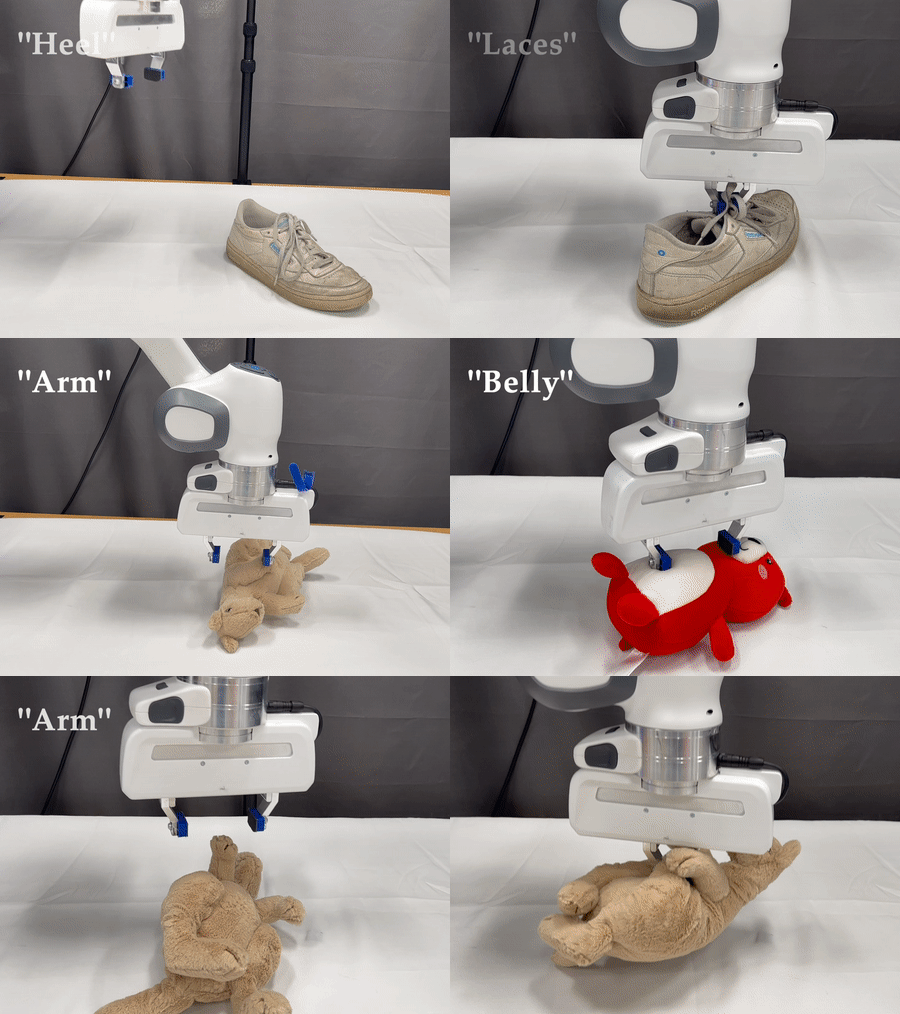 |
Foundation Models for Robotics |
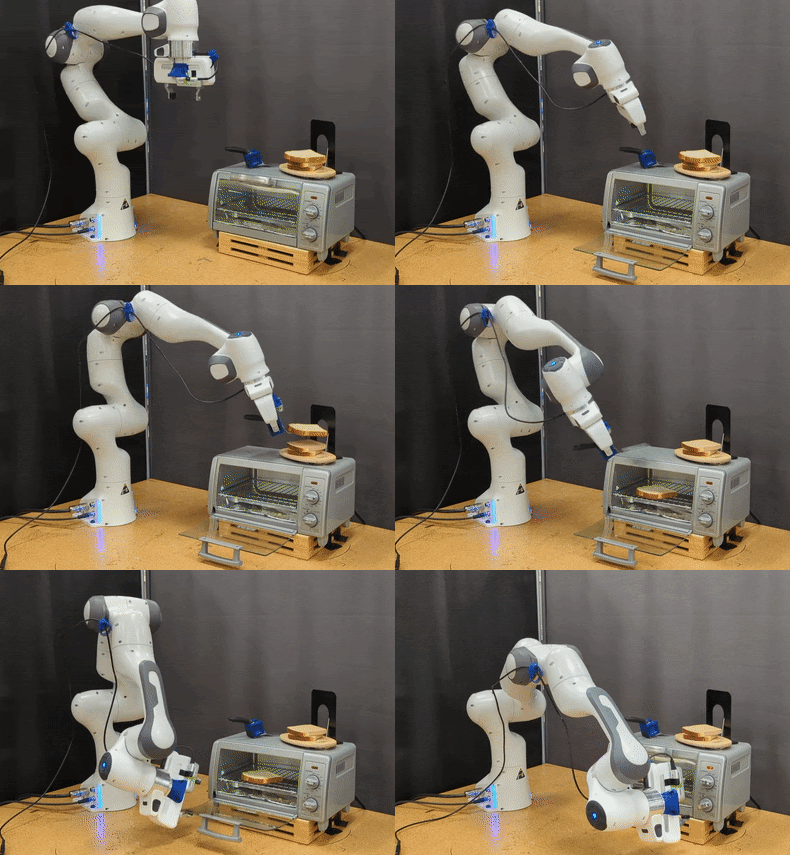 |
Interactive Robot Learning |
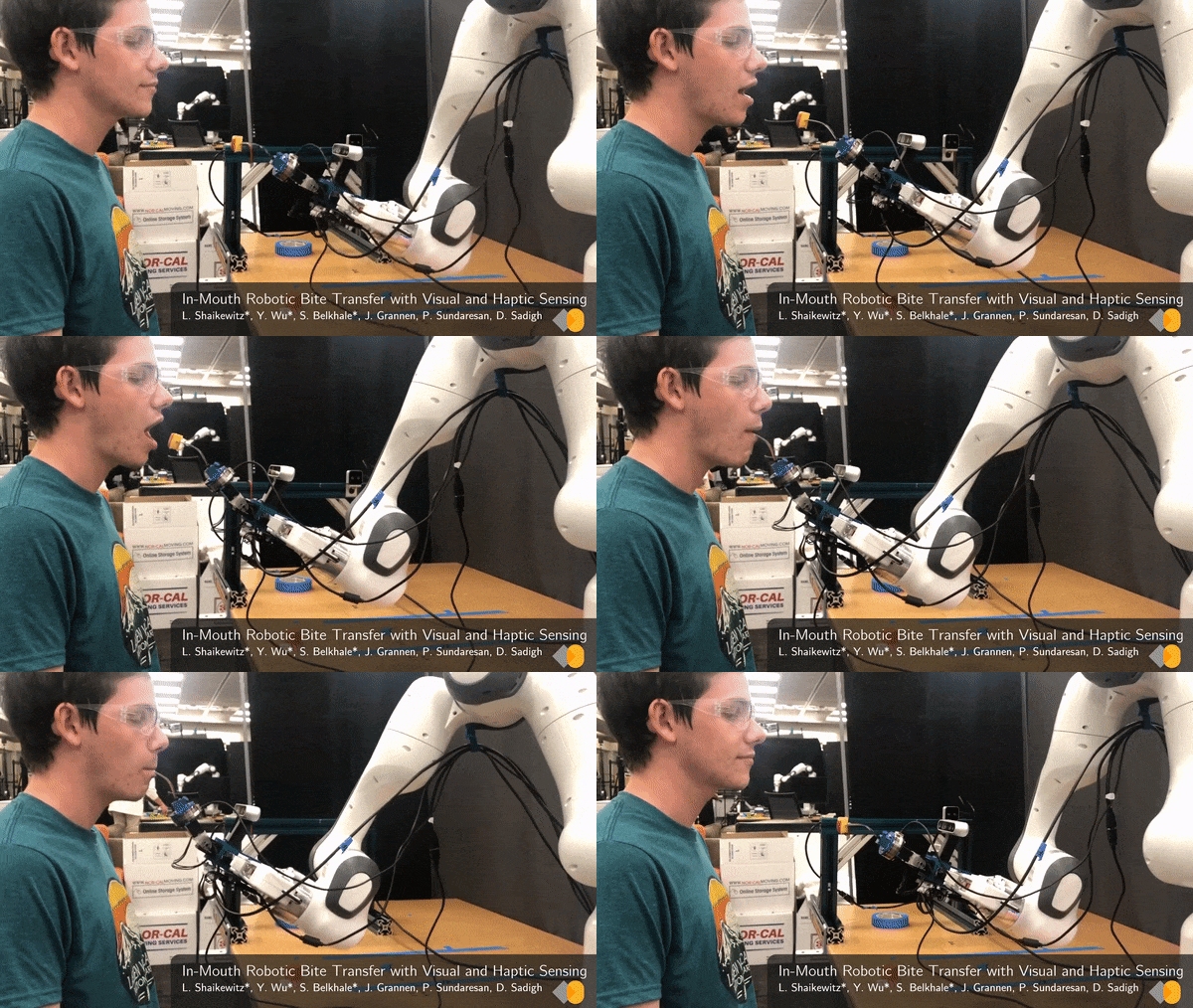 |
Human-AI/Robot Interaction |